Privacy-first workforce analytics, compliance, and how teams really work — written by the people building WorkstyleIQ.
Hybrid teams get just 31% of their hours in deep focus, below office and remote. The fix is design, not a mandate.
After AI adoption, daily focused time fell and focus sessions shrank 9%. The task-speed gains are real, but so is the focus cost, and most organisations measure only one side.
Quiet burnout hides behind normal-looking productivity. The early-warning signals have moved into digital behaviour, and how leaders read them decides whether detection helps or harms.
Annual surveys miss about 30 per cent of strain. Continuous signals catch risk in near real time, but frequency alone is not the answer; continuous analytics only works when its architecture is employee-first.
AI's time savings are real but modest, and largely invisible. Left to default, the gains flow to capital and compress skilled wages. You cannot fairly split a dividend you cannot see.
Only about 3% of organisations have reached prescriptive people analytics. The 2026 shift is from descriptive dashboards to decision-ready intelligence, with workstyle data the missing layer.
A $10 device exists only to keep a status light green. Why activity metrics manufacture digital presenteeism, and what a metric employees can't perform looks like.
The 2026 four-day-week evidence is strong on well-being but blind on mechanism. Why a compressed week is an operating-model bet, and how to tell if you won it.
Generative AI demonstrably raises output, yet the same reliance can hollow out judgement and thin the junior pipeline. Why usage dashboards miss it.
AI super-users save nine hours a week, yet most organisations see no ROI from generative AI. The reason is a workforce intelligence blind spot.
A 2026 RCT found AI-assisted developers produced more output, understood less, and saved no net time. The case for measuring capability alongside speed.
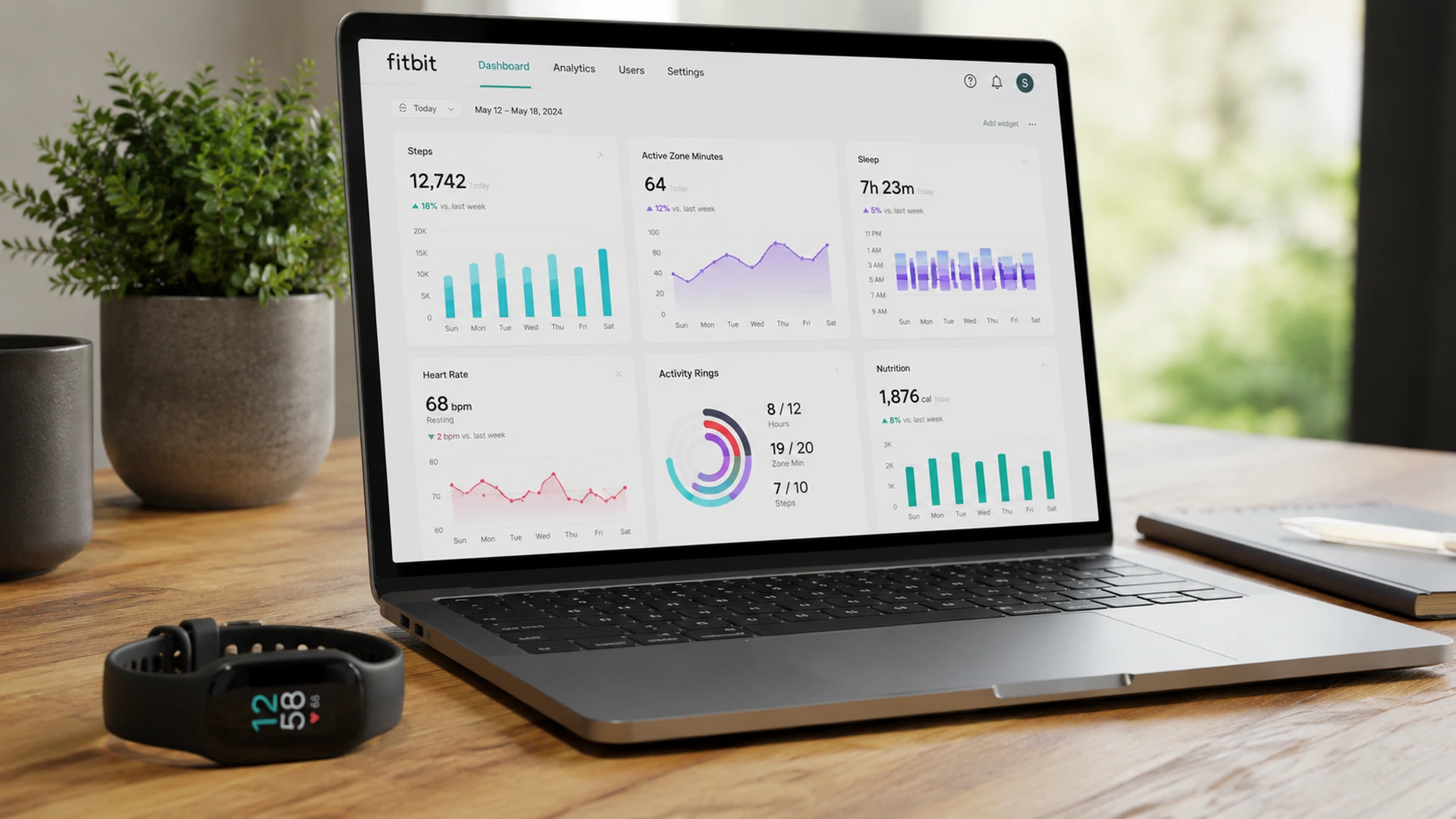
Stripped of marketing language, the workforce-analytics debate is about who the data is for. The Fitbit analogy explains why employee-first architecture is also commercially better.
Join our founding cohort. Limited early access — Fall 2026.